
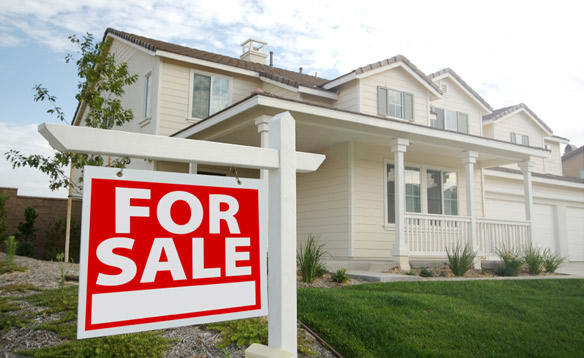

Why Homes Are Staying on the Market Longer — and What’s Ahead for the Rest of 2025
1. Rising Inventory & Slowing Buyer Demand
In markets like Denver and across Colorado, the number of homes available has surged. Low mortgage rates have encouraged more sellers to list, but demand hasn’t kept pace—leading to an oversupply of listings. In Denver, about 35% of home listings were considered “stale” as of April 2025, meaning they’d been on the market for 60 days or more without offers Axios. Statewide, inventory has climbed by nearly 23% year-over-year, and average days on market jumped to 53 days in July, a 15% increase over last year Aspen TimesCorcoran Perry.
2. Affordability Constraints & High Mortgage Rates
Potential buyers are being priced out—current mortgage rates remain elevated, hovering in the mid-6% to low-7% range, severely limiting purchasing power AP NewsBankrateBetter Homes & GardensRamsey Solutions. This has made affordability a persistent hurdle, pushing buyers to take more time, negotiate harder, or pause searches altogether.
3. Pricing Missteps & Market Realignment
Many sellers are holding onto price expectations set during the 2021–2022 housing boom, coloring the current market with inflated list prices. As a result, listings linger, with nearly half of active listings in some areas seeing price reductions—like 51.7% in El Paso County and 39.4% in Teller County Colorado Association of REALTORSNew York Post. This correctionary trend underscores why homes are taking longer to sell.
The 2025 Outlook: What’s Next for the Housing Market
** A. Flattening or Modestly Declining Prices**
Forecasts suggest that home values may edge slightly lower by year-end. Zillow projects a 0.9% decrease in typical U.S. home values and only minimal growth in existing home sales (around +0.6%) Zillow. Another Zillow forecast anticipates listing prices could slide by nearly 2% before 2025 closes, driven by growing supply and sustained high financing costs Better Homes & Gardens.
** B. Buyer’s Market Dynamics Emerging**
Nationwide, we've seen signs of a shift toward buyers. For the first time since 2016, housing supply in some markets hit five months, edging toward balanced territory—and turning into a buyer’s market once supply exceeds six months New York Post. These conditions increasingly favor buyers, with more choices and stronger negotiating power.
** C. Continued Pressure from High Rates & Tariffs**
Even though some expect mortgage rates to inch down to around 5.5% in the second half of 2025, that would hinge on Federal Reserve policy shifts—not guaranteed Ramsey SolutionsBankrate. Added economic pressures—like tariffs raising construction costs—will further dampen demand and keep days on market elevated Corcoran Perry.
** D. A Gradual Path Forward**
Industry outlooks suggest a subdued remainder of the year. J.P. Morgan anticipates housing growth of 3% or less through 2025 JPMorgan. Many economists, including those quoted by Bankrate, see the second half as slightly more favorable—but still constrained by high rates, insufficient inventory balance, and lingering affordability concerns Bankrate.
Summary Table
| Factor | Impact |
|---|---|
| Elevated inventory | Homes linger longer; increased buyer leverage |
| High mortgage rates | Fewer qualified buyers; slower demand |
| Overpriced listings | Price corrections become necessary; lengthened time on market |
| Market forecasts | Modest price declines expected; slow growth or flat sales |
| Buyer advantage | More time to negotiate; increased chances for favorable terms |
Bottom Line
Properties are staying on the market longer in 2025 due to a blend of rising inventory, affordability challenges, and pricing still rooted in the pandemic boom. Looking ahead, expect modest price softening, continued buyer leverage, and a gradual pace toward market stabilization—especially if mortgage rates ease. Sellers should price strategically and be prepared to adjust, while buyers with financing in place may find now an opportune time to act.